Reducing Waste in Timber Mills Through Charcoal Production
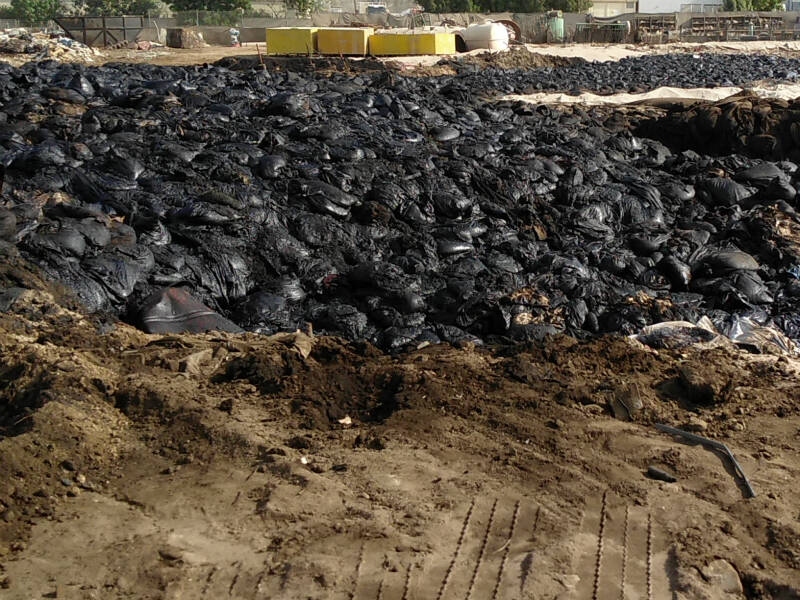
Timber mills are vital to the global wood industry, processing vast quantities of logs into lumber, plywood, and other wood products. However, during this process, they generate a substantial amount of residual material, including sawdust, bark, wood chips, and offcuts. Traditionally, these by-products were often discarded, burned, or left to decompose, creating both environmental hazards and lost economic opportunities. The accumulation of wood waste contributes to air pollution, greenhouse gas emissions, and increased landfill usage. Fortunately, modern timber mills are turning to innovative solutions that not only mitigate waste but also convert it into high-value products. One such approach is charcoal production, which transforms timber residues into renewable fuel and industrial materials.
Transforming Timber Residues Into Valuable Charcoal
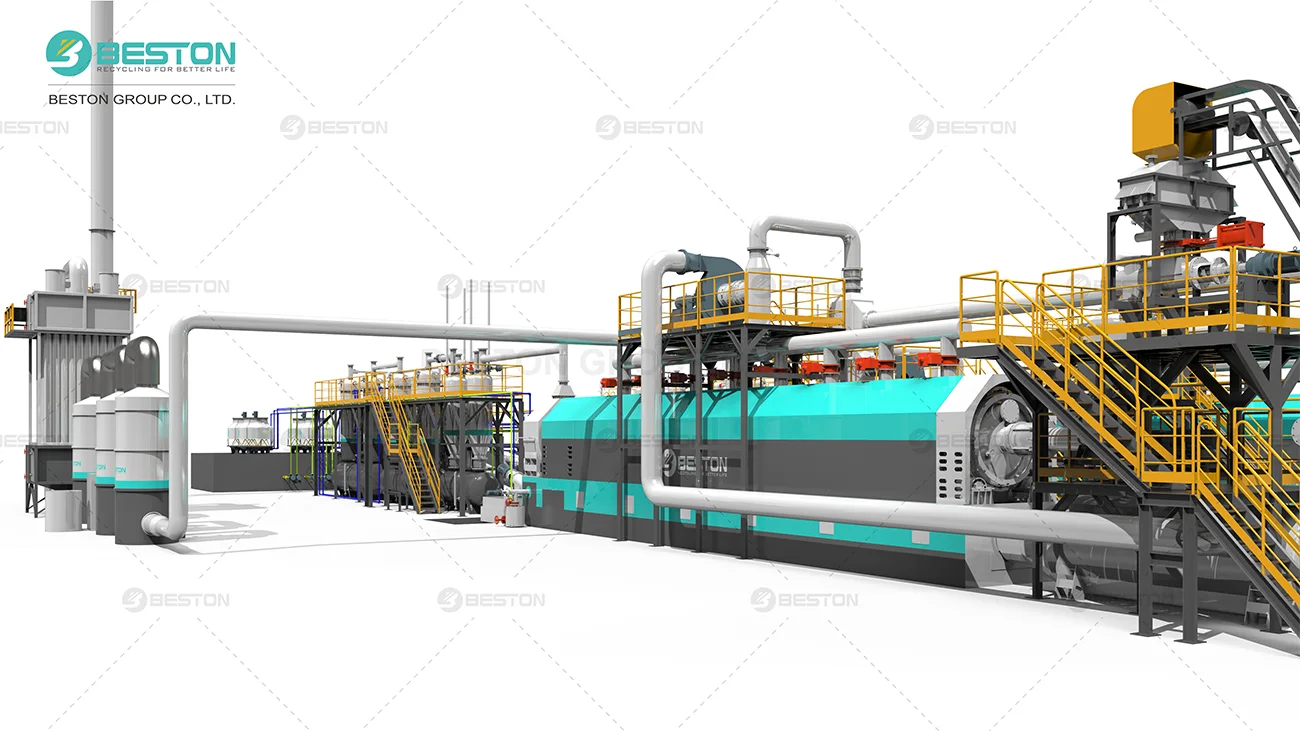
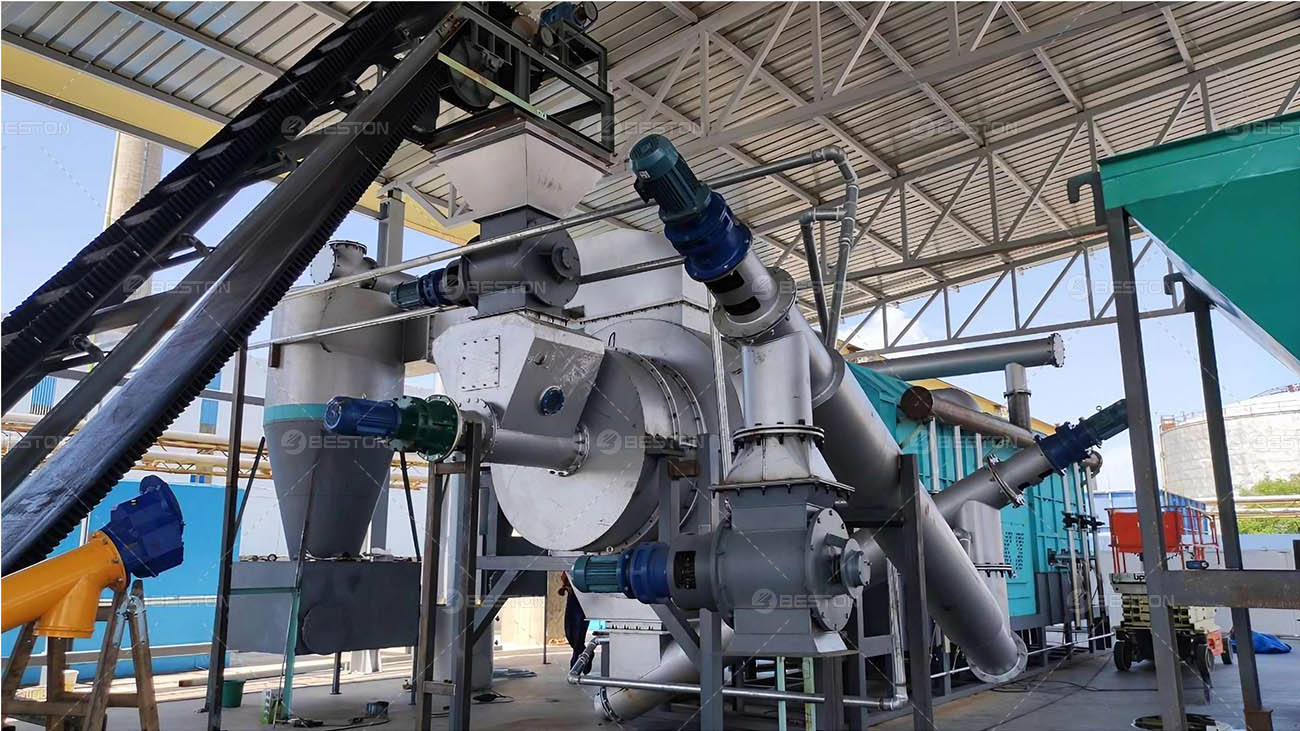
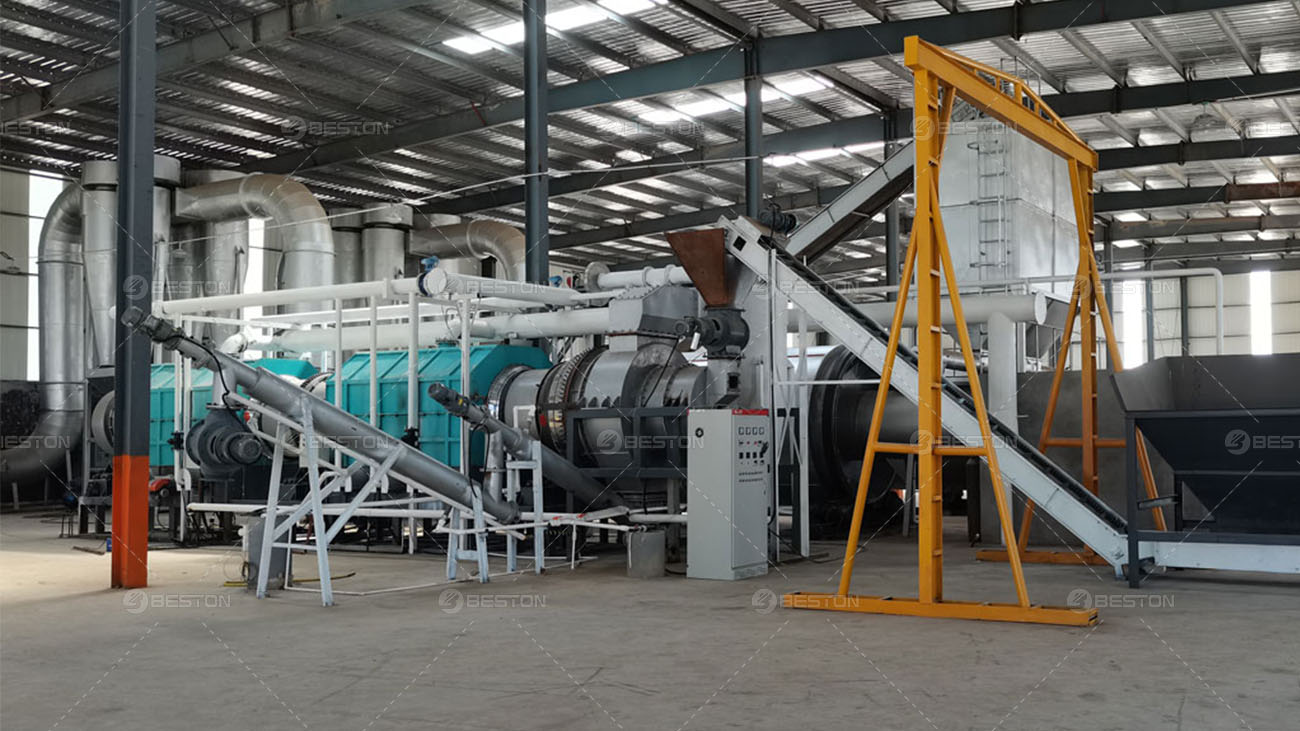
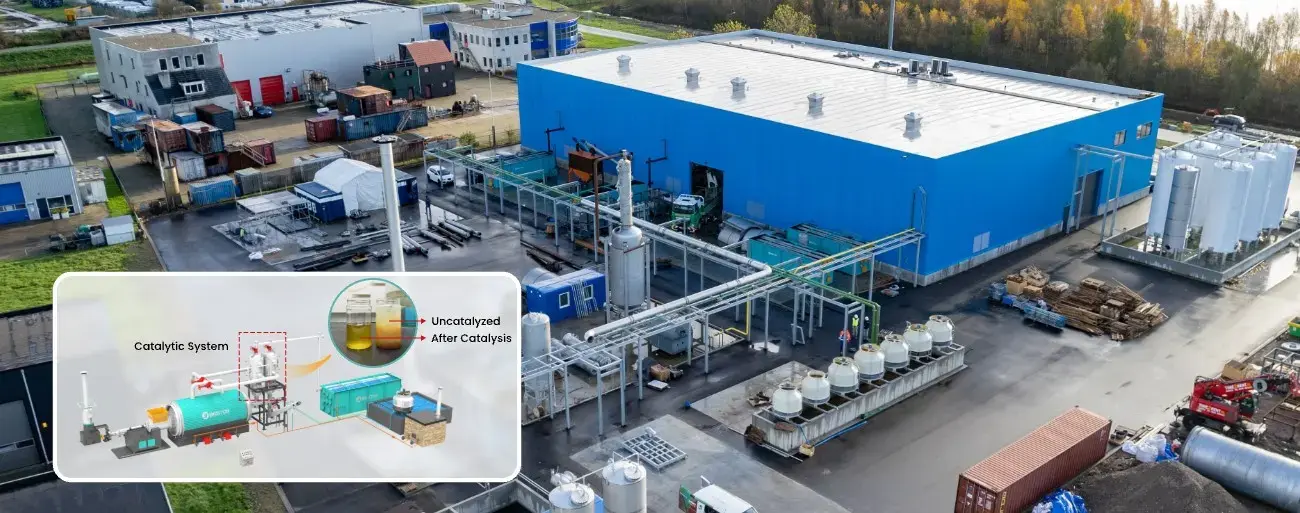
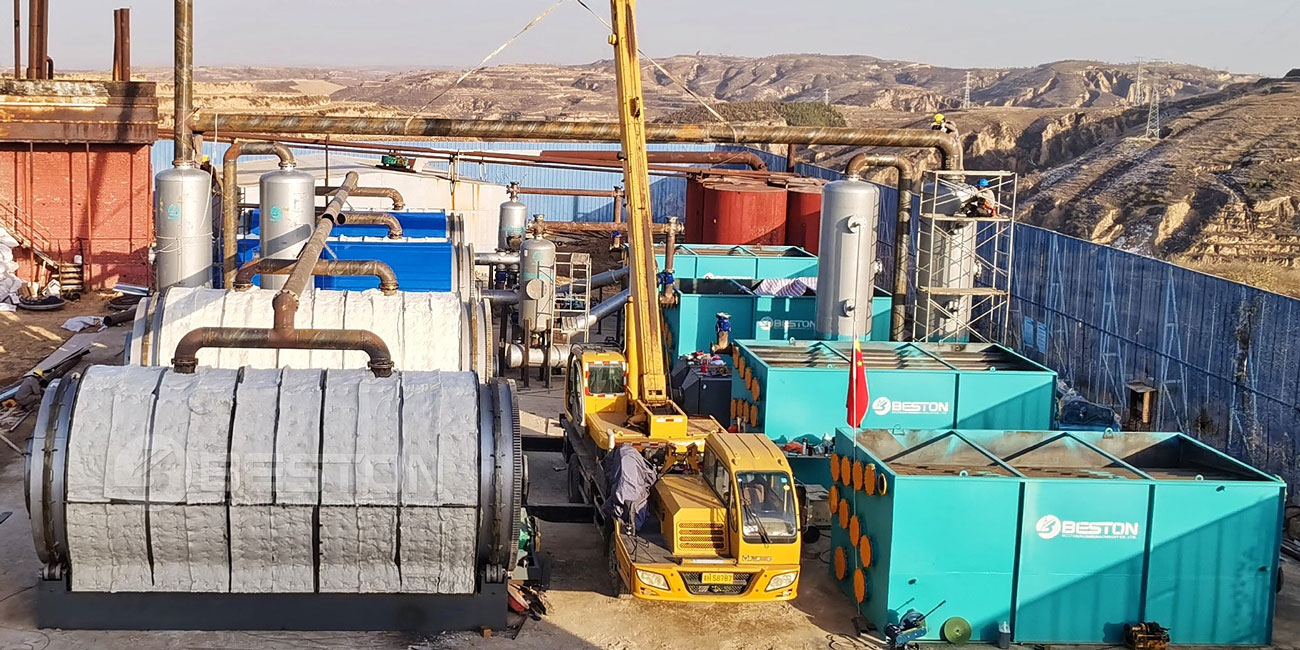
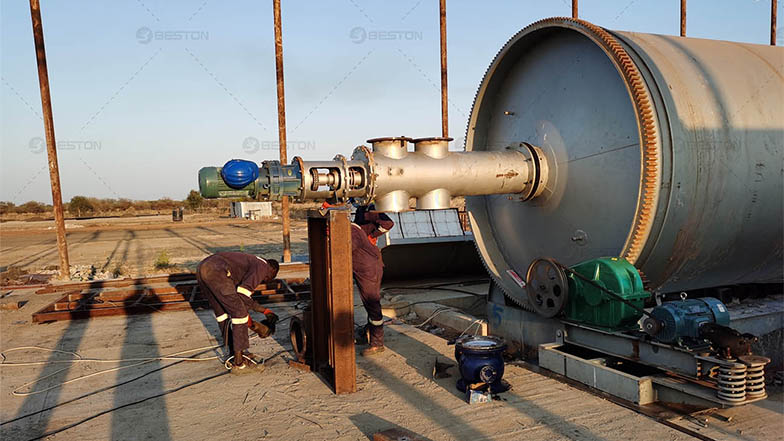
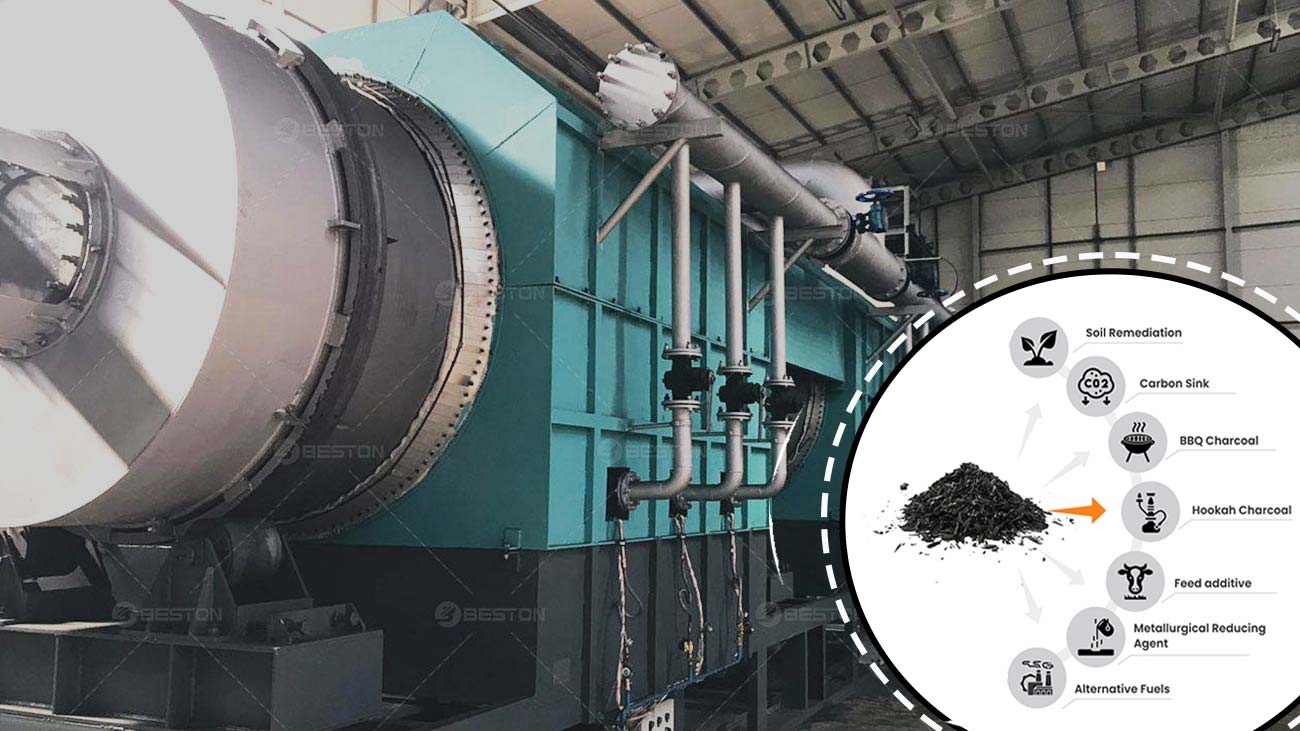
Charcoal production presents a sustainable method for timber mills to manage their waste efficiently. Using a charcoal production machine, mills can convert offcuts, branches, and other wood residues into high-quality charcoal. This machine operates through a controlled pyrolysis process, where wood is heated in an oxygen-limited environment to produce carbon-rich charcoal. Unlike traditional open-air burning, this method minimizes smoke, reduces harmful emissions, and maximizes the energy content of the output. Furthermore, the resulting charcoal can be used as a cooking fuel, industrial fuel, or even as raw material for activated carbon, creating multiple revenue streams from what was once considered waste. By adopting such technologies, timber mills align with global sustainability goals while tapping into new markets for eco-friendly fuel sources.
Utilizing Sawdust Efficiently
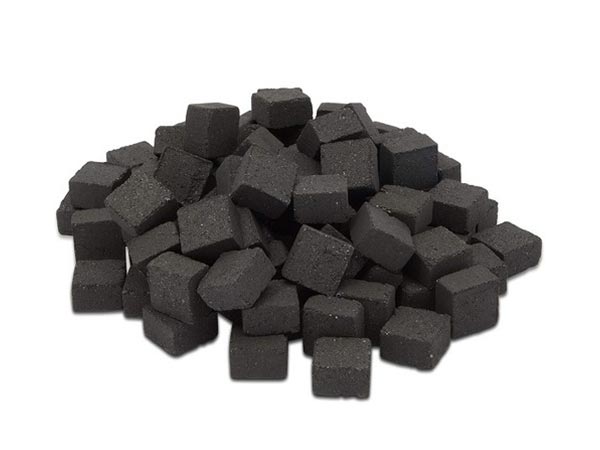
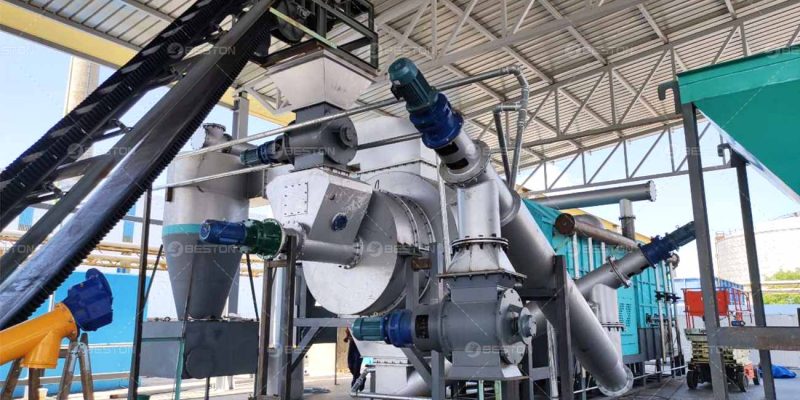
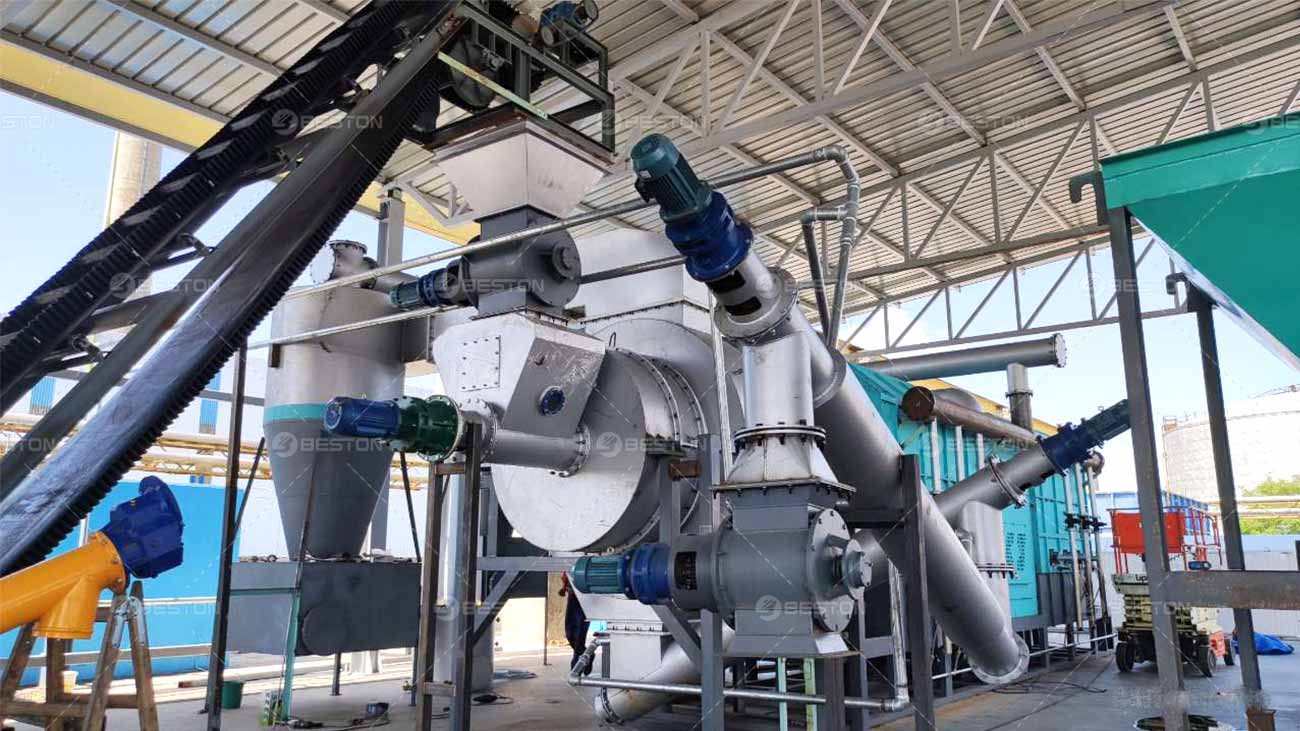
Sawdust is one of the most abundant by-products of timber processing, often posing disposal challenges due to its fine texture and high flammability. A sawdust charcoal machine provides an effective solution, converting sawdust into compact charcoal briquettes or blocks. This approach not only prevents environmental pollution caused by uncontrolled burning or landfill dumping but also produces a clean-burning, high-energy fuel. Moreover, sawdust-derived charcoal offers consistent density and calorific value, making it desirable for both domestic and commercial users. Some mills even find that using sawdust charcoal internally to fuel kilns or heating systems further reduces operational costs, creating a closed-loop system where waste becomes a resource, enhancing both sustainability and efficiency.
Optimizing Wood Processing Through Technology
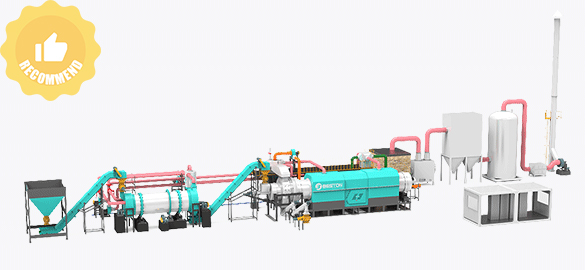
Modern timber mills benefit greatly from the integration of advanced machinery. A wood charcoal machine allows large-scale processing of wood waste, including slabs, branches, and offcuts, transforming them into uniform, high-quality charcoal. These machines employ precise temperature control, automated feeding systems, and efficient heat recovery, which collectively enhance productivity and reduce operational energy costs. Additionally, adopting such technology improves workplace safety by minimizing exposure to dust and open flames. Environmental compliance is another key advantage; by using controlled pyrolysis, mills significantly reduce particulate emissions and carbon footprint compared to traditional burning methods. As regulatory standards tighten worldwide, investing in advanced wood charcoal machinery is both a practical and strategic choice for long-term sustainability.
Partnering With Industry Leaders
Implementing charcoal production requires not only machinery but also expertise in operations, maintenance, and process optimization. Partnering with established companies like Beston Group provides timber mills with access to cutting-edge equipment, technical support, and professional training. Beston Group offers turnkey solutions tailored to the scale and specific needs of each mill, ensuring that production runs smoothly and efficiently. Additionally, collaborations with experienced suppliers can assist in market development, quality control, and environmental certification, helping mills gain a competitive edge. By leveraging these partnerships, timber mills can adopt sustainable practices confidently while maximizing both economic and environmental benefits.
Additional Benefits of Charcoal Production in Timber Mills
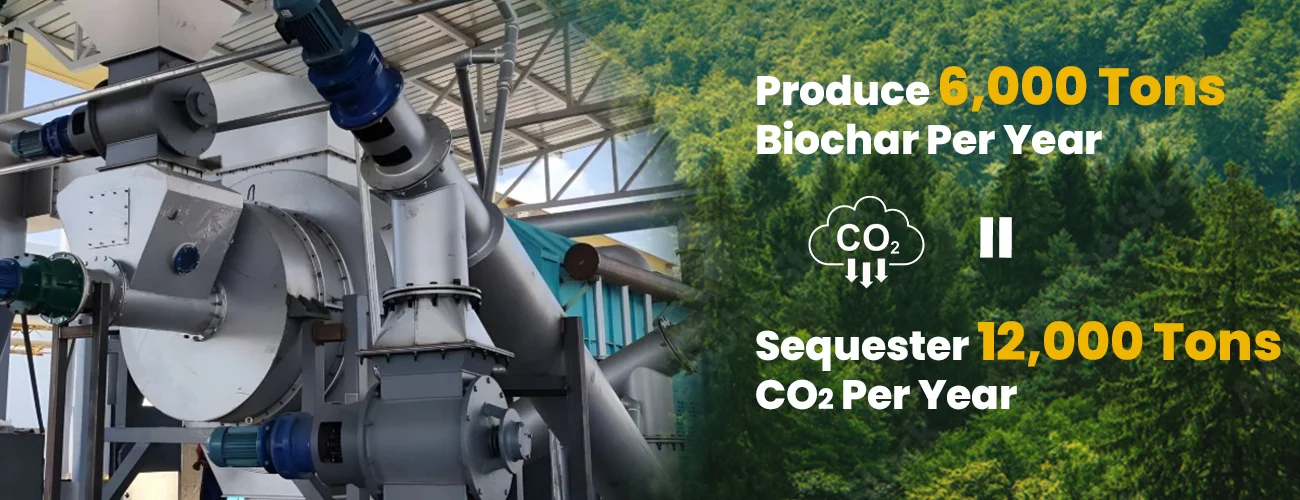
Beyond waste reduction and revenue generation, charcoal production offers several ancillary benefits. The carbonization process creates biochar as a by-product, which can enhance soil fertility and sequester carbon, contributing to climate change mitigation. Some mills have explored producing specialized charcoal products, such as bamboo or fruitwood charcoal, which have niche markets in gourmet cooking or industrial applications. Moreover, implementing waste-to-charcoal strategies can improve community relations, as local populations benefit from cleaner air and sustainable fuel options. Overall, charcoal production transforms a liability—timber waste—into a multifaceted asset with economic, environmental, and social advantages.
Conclusion
Charcoal production is a game-changing solution for timber mills seeking to manage waste sustainably while generating new revenue streams. By utilizing charcoal production machines, mills can convert by-products into valuable, eco-friendly fuel. Partnerships with industry leaders like Beston Group ensure technical support and efficient implementation. By embracing these technologies, timber mills reduce environmental impact, comply with regulations, and create a circular economy where waste becomes a resource, paving the way for a sustainable and profitable future.